Blog

  • Best Fall Wines to Enjoy This Season

    Best Fall Wines to Enjoy This Season

    As the weather gets cooler and evenings become more comfortable, wine preferences often shift toward richer, more comforting flavors. Crisp summer whites may make room for fuller reds, aromatic whites, and versatile wines that pair well with hearty autumn meals.

    Finding the best fall wines does not have to be complicated. Whether you are planning a weekend dinner, hosting a seasonal gathering, or simply looking for a bottle to enjoy on a cool evening, fall is a great time to explore new styles.

    This fall wine guide highlights some of the most enjoyable choices for the season and offers practical tips for choosing the right bottle at a wine store in Mustang, Oklahoma.

    Why Fall Is a Great Season for Wine

    Autumn brings foods and occasions that naturally pair well with a wider range of wines. Roasted meats, pasta, soups, grilled vegetables, charcuterie, and seasonal desserts all create opportunities to explore different flavor combinations.

    Cooler temperatures also make fuller-bodied wines particularly appealing. Rich reds can complement hearty meals, while medium-bodied whites and sparkling wines remain useful for lighter dinners and social gatherings.

    The best approach is to choose wines based on both the occasion and the food being served. You do not necessarily need an expensive bottle to enjoy a great fall wine.

    Best Fall Wines to Try This Season

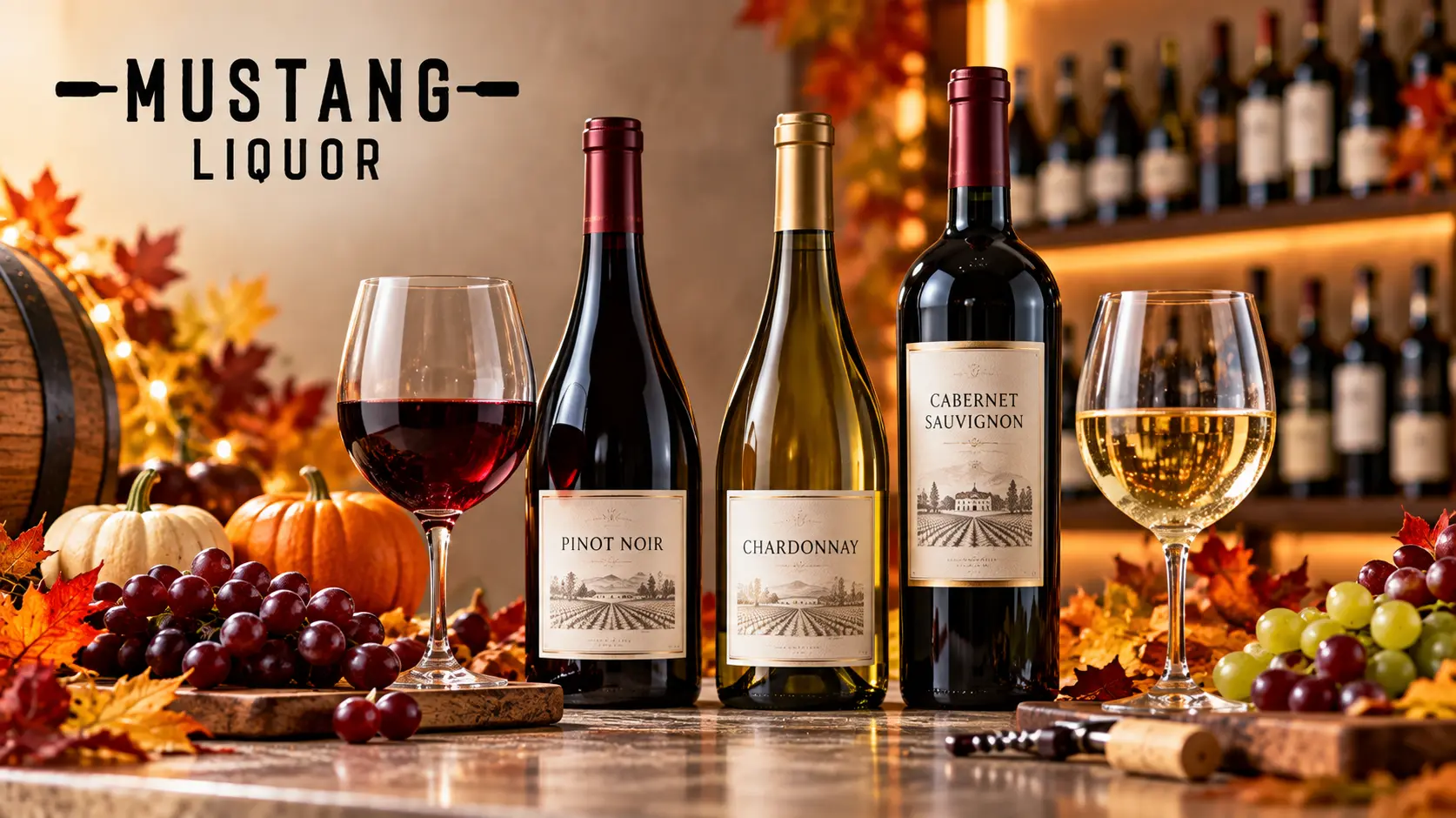
    Cabernet Sauvignon

    Cabernet Sauvignon is a classic choice for autumn. Its full-bodied profile and structured tannins make it especially suitable for hearty meals.

    Look for bottles with flavors such as blackberry, plum, black cherry, oak, and subtle spice. Cabernet Sauvignon works particularly well with steak, roasted beef, burgers, and other rich dishes.

    For shoppers looking for red wines for cool weather, Cabernet Sauvignon is one of the easiest varieties to consider.

    Pinot Noir

    Pinot Noir offers a lighter alternative to heavier red wines while still fitting beautifully into the fall season.

    It commonly features red berry, cherry, earthy, and subtle spice notes. Its lighter body makes it versatile enough for roasted chicken, salmon, mushroom dishes, pork, and seasonal vegetables.

    Pinot Noir is also a useful choice when your guests have different food preferences because it can pair with a broad range of dishes.

    Merlot

    Merlot is another excellent option when you want a smooth and approachable red.

    Compared with some fuller-bodied reds, Merlot can feel softer and fruitier, often showing flavors of plum, blackberry, cherry, and cocoa. That makes it particularly appealing for casual dinners and gatherings.

    For someone searching for the best wine for autumn, Merlot can be a practical choice when you want a red that is flavorful without being overly intense.

    Zinfandel

    Zinfandel can bring a bold, fruit-forward character to a fall wine lineup. Depending on the bottle, you may find ripe berry flavors, spice, and a fuller finish.

    It can pair nicely with barbecue, roasted meats, burgers, spicy dishes, and other foods with stronger flavors.

    Zinfandel is worth considering when you want something expressive and easy to enjoy during an autumn gathering.

    Chardonnay

    Fall is not limited to red wine. Chardonnay can be an excellent seasonal choice, particularly when paired with creamy pasta, roasted chicken, seafood, and rich vegetable dishes.

    Oaked Chardonnay may provide notes of vanilla, butter, toast, and ripe fruit, creating a fuller style that works well with cooler-weather meals.

    For people who generally prefer white wine, Chardonnay can provide a satisfying transition from lighter summer wines into autumn.

    Riesling

    Riesling offers another versatile white wine option. Depending on the style, it may range from dry to sweet and can feature citrus, apple, peach, floral, and mineral characteristics.

    A dry or off-dry Riesling can be particularly useful with spicy food, roasted vegetables, pork, and lighter autumn dishes.

    It can also provide a refreshing contrast when a meal includes rich or heavily seasoned foods.

    [cta]

    A Simple Fall Wine Guide for Food Pairing

    Choosing wine becomes easier when you start with the meal rather than the bottle.

    For red meats and hearty stews, consider Cabernet Sauvignon, Merlot, or other fuller-bodied reds. For roasted chicken, turkey, or pork, Pinot Noir and medium-bodied reds can work well.

    Cream-based dishes often pair nicely with Chardonnay, while spicy foods can benefit from aromatic whites such as Riesling.

    For cheese boards, you have plenty of flexibility. Pinot Noir, Merlot, Chardonnay, and sparkling wines can all work depending on the cheeses and accompaniments.

    You can browse different wine selections through the Mustang Liquor shop when looking for bottles for your next autumn meal.

    How to Choose the Best Fall Wine for Your Taste

    Wine recommendations are useful, but your own preferences should remain the deciding factor.

    If you enjoy bold, rich flavors, look for full-bodied reds such as Cabernet Sauvignon or Zinfandel. If you prefer a softer red, Merlot or Pinot Noir may be a better fit.

    White wine drinkers do not need to switch to red just because the weather is cooler. Chardonnay and Riesling can both be excellent autumn choices.

    Also consider alcohol level, sweetness, acidity, and tannins. These characteristics can significantly affect how a bottle feels alongside food.

    When shopping, it can be helpful to compare several options instead of automatically choosing the most expensive bottle.

    Seasonal Wine Shopping in Mustang, Oklahoma

    For residents searching for a wine store in Mustang Oklahoma, local availability can make exploring seasonal wines much easier. A nearby store gives you the opportunity to compare different varietals, price points, and styles based on what you plan to serve.

    At Mustang Liquor, shoppers can explore wine and other beverage selections for everyday purchases, dinners, celebrations, and seasonal gatherings.

    If you are interested in higher-end bottles or special selections, the store’s Premium Collections can be another place to explore.

    It is also worth checking current Mustang Liquor Specials before making your purchase. Seasonal promotions can make it easier to try a wine you have not purchased before.

    Fall Wine Picks for Parties and Gatherings

    If you are hosting a fall dinner or gathering, offering more than one style of wine is often the easiest approach.

    A balanced selection might include one approachable red such as Merlot or Pinot Noir, one fuller red such as Cabernet Sauvignon, and one white such as Chardonnay or Riesling.

    This gives guests options based on their preferred flavors and the foods being served.

    For larger gatherings, think about the meal, guest preferences, and serving order. Lighter wines can generally work well earlier in a meal, followed by richer wines with heavier courses.

    Searching for fall wine picks near Oklahoma City can also include nearby Mustang selections, particularly when you want convenient access to different styles without limiting yourself to one type of wine.

    Try Something New This Autumn

    Fall is an ideal time to step outside your usual wine routine. If you normally drink Cabernet Sauvignon, try Pinot Noir. If Chardonnay is your usual choice, explore Riesling or another aromatic white.

    Trying a different grape variety does not mean spending a lot of money. Start with a bottle in your normal price range and pay attention to what you enjoy about it.

    Over time, these comparisons can help you identify the flavors, body, acidity, and sweetness levels that best match your preferences.

    For more wine and beverage ideas, visit the Mustang Liquor blog, where you can find additional information to help with seasonal shopping and beverage choices.

    Make Your Fall Wine Shopping Easier

    The best fall wines ultimately depend on the person drinking them, the food being served, and the occasion. Cabernet Sauvignon, Pinot Noir, Merlot, Zinfandel, Chardonnay, and Riesling all offer different characteristics that can work beautifully during autumn.

    Whether you are preparing a quiet dinner at home or stocking up for a larger gathering, starting with your preferred flavor profile makes choosing a bottle much easier.

    You can learn more about Mustang Liquor and its offerings through the About page. For questions about products, availability, or other store information, visit the Contact page.

    The goal is not to find one universally perfect fall wine. It is to find bottles that match your taste, your meal, and the way you want to enjoy the season.

    [cta]

    Frequently Asked Questions

    What are the best fall wines?

    Some of the best fall wines include Cabernet Sauvignon, Pinot Noir, Merlot, Zinfandel, Chardonnay, and Riesling. The right choice depends on your food preferences and whether you enjoy full-bodied, medium-bodied, red, or white wines.

    What are good red wines for cool weather?

    Cabernet Sauvignon, Merlot, Pinot Noir, and Zinfandel are popular choices for cool-weather drinking. Fuller reds work especially well with hearty autumn meals, while Pinot Noir offers a lighter option with plenty of seasonal character.

    What is the best wine for autumn dinner?

    The best wine for an autumn dinner depends on the menu. Cabernet Sauvignon works well with red meat, Pinot Noir pairs nicely with poultry and mushrooms, and Chardonnay can complement creamy pasta and roasted chicken.

    How do I choose a fall wine for a party?

    For a party, offer a mix of red and white wines to accommodate different preferences. A combination such as Cabernet Sauvignon or Merlot, Pinot Noir, and Chardonnay or Riesling gives guests several easy options.

    Where can I find fall wine picks near Oklahoma City?

    Shoppers looking for fall wine picks near Oklahoma City can explore selections at Mustang Liquor in Mustang, Oklahoma. The online shop and specials page can also help you review available options and current promotions before shopping.
  • Bourbon vs. Whiskey: What’s the Real Difference?

    Bourbon vs. Whiskey: What’s the Real Difference?

    Walk into a liquor store and you will quickly notice shelves filled with bourbon, whiskey, Scotch, rye, and other spirits. For someone who is new to whiskey, it can be difficult to understand what actually separates one bottle from another.

    The bourbon vs whiskey difference is mainly about the ingredients, production rules, aging requirements, and where the spirit is made. Bourbon is a type of American whiskey, but not every whiskey qualifies as bourbon.

    Whether you are shopping for your first bottle, looking for a gift, or comparing options at a bourbon whiskey store in Mustang, OK, understanding these differences can help you make a more confident choice.

    What Is Whiskey?

    Whiskey is a broad category of distilled spirits made primarily from fermented grain mash. Depending on the style, the grains may include corn, barley, rye, wheat, or a combination of these.

    Whiskey is produced in several countries, and each style can have its own legal standards and traditional production methods. American whiskey, Canadian whisky, Irish whiskey, Japanese whisky, and Scotch whisky can all taste very different even though they belong to the same broad family.

    The flavor of whiskey can be influenced by the grain bill, fermentation, distillation method, barrel type, aging conditions, and blending process.

    You can explore different spirits and whiskey selections through the Mustang Liquor shop when you are ready to compare bottles.

    What Makes Bourbon Bourbon?

    One of the most common questions new whiskey drinkers ask is what makes bourbon bourbon.

    Bourbon must meet specific requirements. The mash bill must contain at least 51% corn, and the spirit must be distilled to a maximum of 160 proof. It must also enter the barrel at no more than 125 proof and be aged in new, charred oak containers.

    Bourbon must be produced in the United States. Unlike some whiskey categories, there is no requirement that bourbon come specifically from Kentucky, even though Kentucky is strongly associated with bourbon production.

    These rules create some of bourbon’s most recognizable characteristics. The high corn content often contributes sweetness, while new charred oak can add flavors such as vanilla, caramel, toasted wood, and baking spice.

    Straight bourbon has additional requirements, including a minimum aging period of two years.

    Bourbon vs. Whiskey Difference: The Key Factors

    The easiest way to understand the bourbon vs whiskey difference is to think of bourbon as a specific category within the larger whiskey family.

    Whiskey can be produced using different grains and production standards depending on its style and country of origin. Bourbon has more specific requirements governing its grain content, barrel use, proof limits, and place of production.

    A whiskey may use corn, rye, wheat, barley, or several grains. Bourbon must contain at least 51% corn.

    Bourbon also has to be aged in new, charred oak containers. Other types of whiskey can have different barrel requirements and may use previously used barrels.

    This distinction is important when choosing a bottle. If you enjoy sweeter, fuller flavors with strong vanilla and caramel notes, bourbon may be an excellent starting point.

    [cta]

    Bourbon vs. Whiskey vs. Scotch

    Another common comparison is bourbon vs whiskey vs Scotch.

    Technically, Scotch is also a type of whisky, but it follows Scottish production regulations and traditions. Scotch whisky must be produced in Scotland and generally uses malted barley for single malt Scotch.

    Bourbon, on the other hand, is American whiskey with a minimum 51% corn mash bill and new charred oak aging.

    The flavor profiles can also be noticeably different. Bourbon frequently has sweeter notes of caramel, vanilla, brown sugar, oak, and baking spice. Scotch can range from light and floral to rich and smoky, depending on the region, production method, and whether peat is used.

    American rye whiskey is another interesting category. Since rye plays a much larger role in the grain bill, rye whiskey often delivers a spicier and more peppery profile than traditional bourbon.

    If you want to compare premium bottles across different styles, take a look at the Premium Collections at Mustang Liquor.

    Is Bourbon Sweeter Than Whiskey?

    Bourbon often tastes sweeter than many other whiskey styles, but that does not mean bourbon contains added sugar.

    Its sweetness primarily comes from the combination of corn in the mash bill and the flavors extracted from new charred oak barrels. Vanilla, caramel, toasted oak, and brown-sugar-like notes are common in bourbon.

    However, bourbon can vary considerably. A high-rye bourbon may taste spicier, while a wheated bourbon can be softer and smoother.

    The best way to discover your preferences is to compare bottles with different mash bills, proof levels, and aging characteristics.

    Best Bourbon for Beginners

    Choosing the best bourbon for beginners depends on your preferred flavor profile and how you plan to drink it.

    For a first bottle, many new bourbon drinkers prefer a bourbon with moderate proof and a balanced flavor profile. Bottles with noticeable vanilla, caramel, oak, and light spice can be approachable without being overwhelming.

    You should also consider how you plan to enjoy it. If you want to drink bourbon neat or on the rocks, a smooth and balanced bottle can be a good starting point. If you primarily enjoy cocktails such as an Old Fashioned or Manhattan-style variations, a bourbon with a stronger flavor profile may work better.

    Budget is another factor. You do not need to start with an expensive limited-release bottle. A well-made standard bourbon can provide an excellent introduction to the category.

    For current bottle selections and available options, browse Mustang Liquor.

    How to Choose Bourbon in Mustang, OK

    When shopping at a bourbon whiskey store in Mustang, OK, start by identifying what you want from the bottle.

    Are you looking for something smooth and approachable? A sweeter bourbon? A higher-proof option with more intensity? A bottle for cocktails? Or a premium bourbon for sipping?

    Pay attention to the label for clues about proof, age statements, and whether the bourbon is labeled straight bourbon.

    You can also compare current promotions and pricing through the Mustang Liquor Specials page before making your purchase.

    For shoppers coming from nearby communities, Mustang Liquor can also be a convenient option when searching for whiskey near Yukon, OK.

    Bourbon Buying Tips for First-Time Shoppers

    Before choosing a bottle, consider a few simple factors.

    First, look at the proof. Lower-proof bourbon may be easier for beginners, while higher-proof bottles can provide stronger flavor and more alcohol intensity.

    Next, consider the grain profile. A wheated bourbon is often softer and rounder, while a high-rye bourbon can have more spice.

    Age can also influence flavor, but older does not automatically mean better. Longer aging can add complexity, but too much oak can dominate the spirit.

    Finally, think about your budget and intended use. A bottle you enjoy drinking is more valuable than a bottle chosen only because it has a higher price or older age statement.

    Should You Buy Bourbon or Another Whiskey?

    There is no universally better choice.

    Bourbon is a strong option if you like rich, sweet, oak-driven flavors and American whiskey traditions. Scotch may be more appealing if you enjoy malt-forward, earthy, fruity, or smoky profiles.

    Rye whiskey may suit you if you prefer peppery spice, while Canadian or Irish whiskey can offer different combinations of smoothness, grain character, and fruit notes.

    If you are still deciding, browsing different categories can make the choice easier. The Mustang Liquor blog also provides additional information to help shoppers understand different spirits and buying considerations.

    Why Understanding Whiskey Styles Matters

    Knowing the difference between whiskey categories makes shopping much easier. Instead of choosing a bottle based only on its label or price, you can use information about the grain bill, barrel type, proof, age, and origin to narrow down your options.

    For bourbon specifically, understanding the production requirements explains why the category has such a recognizable flavor profile. It also helps you distinguish bourbon from other American whiskeys and international whisky styles.

    If you have questions about selection, availability, or other store information, you can contact Mustang Liquor. You can also learn more about the business through the About page.

    [cta]

    Frequently Asked Questions

    Is bourbon the same thing as whiskey?

    No. Bourbon is a type of American whiskey, but whiskey is the broader category. Bourbon must meet specific legal requirements, including a mash bill containing at least 51% corn and aging in new, charred oak containers.

    What makes bourbon different from regular whiskey?

    Bourbon has specific production requirements that other whiskeys may not have. It must be made in the United States, contain at least 51% corn, and be aged in new charred oak containers. These standards help create bourbon’s characteristic sweetness and oak-driven flavor.

    Is bourbon sweeter than Scotch?

    Bourbon often tastes sweeter because of its corn-heavy mash bill and new charred oak barrels, which contribute caramel and vanilla notes. Scotch can have a much broader flavor range, including smoky, peaty, fruity, malty, and floral characteristics.

    What is the best bourbon for beginners?

    A balanced bourbon with moderate proof is often a good starting point. Beginners may prefer bottles with noticeable caramel, vanilla, oak, and light spice rather than very high-proof or heavily smoky spirits.

    Where can I buy bourbon in Mustang, OK?

    You can shop for bourbon and other spirits through Mustang Liquor. Shoppers searching for whiskey near Yukon, OK can also explore the store’s selection, specials, and premium collections online before visiting.

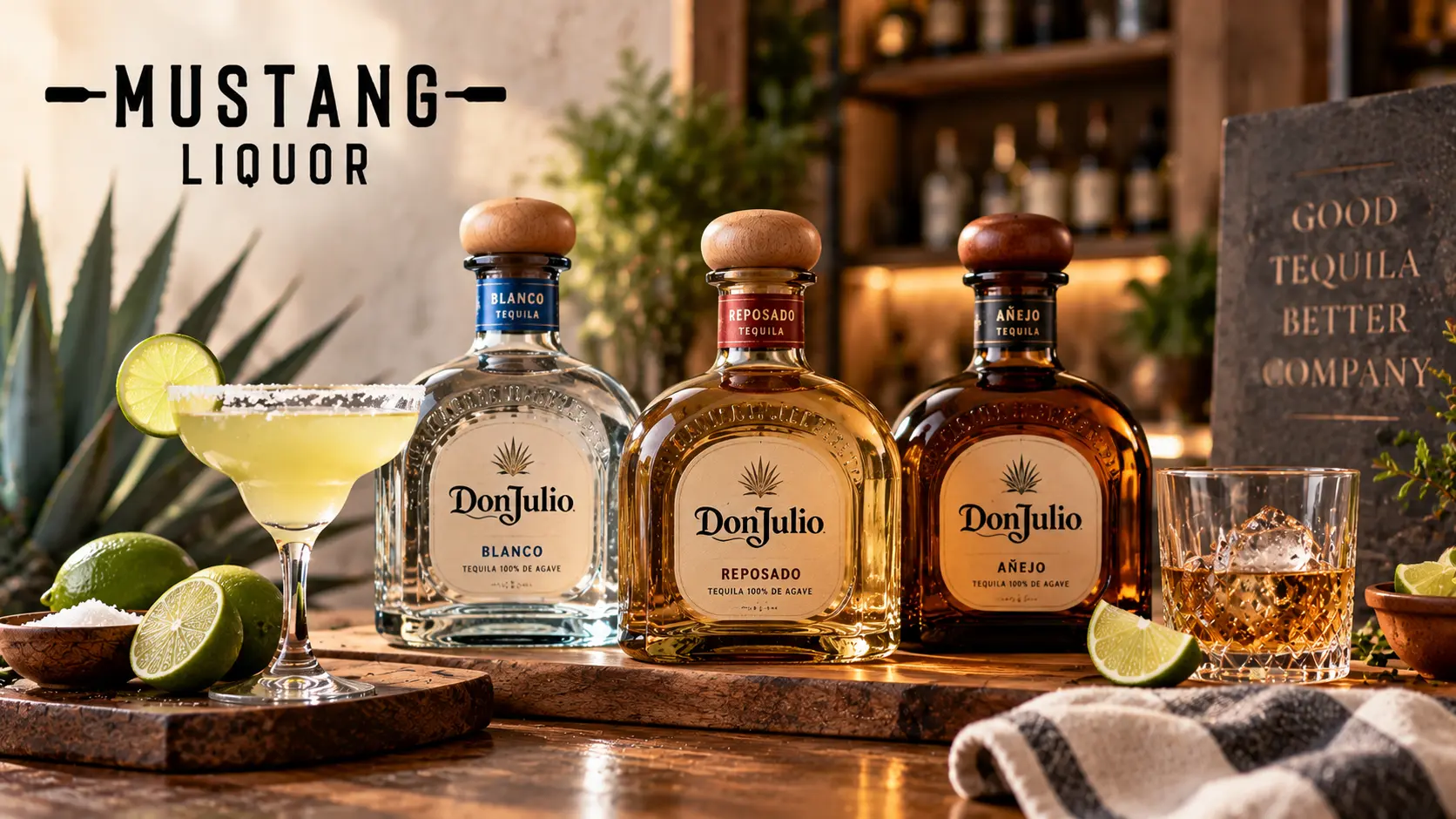
  • Tequila 101: Everything You Need to Know Before You Buy

    Tequila 101: Everything You Need to Know Before You Buy

    Buying tequila can be surprisingly complicated when you first look at the shelves. Labels such as blanco, reposado, añejo, 100% agave, and extra añejo can make it difficult to know what you are actually getting or which bottle is right for your needs.

    Understanding a few fundamentals can make tequila shopping much easier. Whether you are looking for a bottle for margaritas, planning a tasting, building a home bar, or searching for a premium bottle, knowing the basics helps you shop with greater confidence.

    This tequila 101 what to know before you buy guide covers how tequila is made, the differences between major tequila styles, what labels mean, and how to choose a bottle for cocktails or sipping.

    What Is Tequila?

    Tequila is a distilled spirit made primarily from the blue Weber agave plant, also known as Agave tequilana Weber var. azul. It is produced in designated areas of Mexico, with Jalisco being the best-known production region.

    Unlike some spirits that can be produced from a wide range of ingredients, tequila has specific production standards governing the type of agave, production methods, labeling, and aging categories.

    The first thing to understand when shopping is that not every tequila will taste the same. The type of tequila, how the agave is processed, the distillation method, aging, and the producer’s approach can all influence the finished bottle.

    For an overview of available products and spirits, you can visit Mustang Liquor.

    How Tequila Is Made

    Understanding how tequila is made gives you a better idea of why different bottles can taste so different.

    1. Agave Is Harvested

    Tequila begins with mature blue Weber agave plants. Once the plant is ready, a skilled worker called a jimador removes the leaves and harvests the heart, or piña, of the agave.

    These piñas contain the carbohydrates needed to produce alcohol.

    2. The Agave Is Cooked

    The harvested agave is cooked to convert complex carbohydrates into fermentable sugars. Traditional producers may use brick ovens, while other producers use modern autoclaves or other controlled cooking systems.

    The cooking process can affect the aromas and flavors that eventually appear in the tequila.

    3. Sugars Are Extracted

    After cooking, the agave is crushed or processed to extract its juice and sugars. These sugars are then prepared for fermentation.

    4. Fermentation

    Yeast converts the sugars into alcohol during fermentation. The length and style of fermentation can influence the character of the spirit.

    Some producers use naturally occurring yeasts, while others use selected strains to achieve a more consistent result.

    5. Distillation

    The fermented liquid is distilled, commonly two or more times, to increase alcohol concentration and refine the spirit.

    Distillation is a major part of tequila production because it helps determine the balance between agave character, texture, and other aromatic compounds.

    6. Aging or Bottling

    After distillation, the tequila may be bottled as blanco or placed into barrels for aging. The length of time in wood determines whether it qualifies as reposado, añejo, or extra añejo.

    This brings us to one of the most important concepts in any tequila buying guide: understanding the major tequila categories.

    [cta]

    Blanco vs. Reposado vs. Añejo

    The blanco vs reposado vs añejo comparison is one of the easiest ways to narrow down your choices.

    Blanco Tequila

    Blanco, sometimes called silver or plata, is generally bottled soon after distillation, although limited resting or maturation is permitted.

    Because it spends little or no time in oak, blanco tequila often showcases the natural character of the agave more directly. You may notice vegetal, peppery, citrus, earthy, or lightly sweet notes depending on the producer.

    Blanco is a popular choice for cocktails because its agave flavor works well with citrus, fruit, herbs, and other mixers.

    Reposado Tequila

    Reposado means “rested.” This style is matured in oak for at least two months but less than a year.

    Barrel aging can give reposado tequila a rounder texture and additional flavors such as vanilla, caramel, spice, or toasted wood while still retaining noticeable agave character.

    Reposado is often a useful middle ground for people who want something suitable for cocktails but also enjoyable on its own.

    Añejo Tequila

    Añejo tequila is aged for at least one year in oak containers. The additional time allows the spirit to develop deeper flavors and a more pronounced barrel influence.

    Depending on the producer, you may find notes of vanilla, oak, dried fruit, caramel, baking spices, or roasted agave.

    Añejo is frequently chosen for sipping rather than mixing into cocktails where its more developed flavors could be obscured.

    Extra Añejo

    Extra añejo is matured for at least three years. These tequilas generally have a deeper, more developed profile and can appeal to people who enjoy sipping aged spirits.

    Because the aging process requires additional time and storage, extra añejo bottles are often positioned at a higher price point.

    What Does “100% Agave” Mean?

    One of the most useful things to check on a tequila label is whether it says 100% agave.

    Tequila labeled 100% agave is made using sugars derived entirely from blue Weber agave.

    There are also tequilas that are not labeled 100% agave and may use other fermentable sugars in addition to agave sugars under the applicable production standards.

    For shoppers who want the most direct expression of blue agave, looking for a 100% agave designation is a straightforward starting point.

    What Is the Best Tequila for Margaritas?

    When people search for the best tequila for margaritas, the answer depends partly on personal taste and the style of Margarita being made.

    Blanco tequila is a common choice because its fresh agave character works naturally with lime juice and orange liqueur. Its clean, bright profile can keep the cocktail refreshing.

    Reposado can also work well when you want a Margarita with a little more depth, warmth, or oak influence.

    For a traditional-style Margarita, a good-quality 100% agave blanco is an easy place to start. For more complex variations, experimenting with reposado can produce a richer result.

    If you are shopping specifically for cocktail ingredients, browse the Mustang Liquor shop to explore available options.

    Tequila for Sipping vs. Cocktails

    The way you plan to drink your tequila should influence the bottle you buy.

    For cocktails, blanco and reposado are often practical choices because their flavors can work well with citrus, mixers, herbs, and liqueurs.

    For sipping, you may want to explore reposado, añejo, or extra añejo bottles. Aging can add layers of flavor and a smoother, more developed profile that can be enjoyed without mixers.

    That does not mean blanco tequila cannot be sipped. A high-quality blanco can showcase vibrant agave character and be excellent on its own.

    The important factor is matching the tequila style to your preferences.

    How to Choose a Tequila at the Store

    When standing in the tequila section, start by answering a few simple questions.

    Are you buying for cocktails or sipping? Do you prefer bright agave flavors or richer oak notes? Are you looking for an everyday bottle or something for a special occasion?

    Your answers can quickly narrow the field.

    For everyday cocktails, look toward quality blanco or reposado options. For a special dinner or spirits collection, consider exploring aged or premium selections.

    You can also browse the premium collections at Mustang Liquor when you are looking for more elevated tequila options.

    For shoppers specifically searching for premium tequila Mustang OK, comparing bottle styles, aging classifications, and price points can help identify the type that best fits the occasion.

    Price Does Not Tell the Whole Story

    A higher price can reflect longer aging, production methods, brand positioning, limited availability, or other factors, but price alone does not determine whether a tequila is right for you.

    A reasonably priced blanco may be an excellent Margarita tequila, while an expensive añejo may be better suited to sipping.

    Think about how you will actually use the bottle before spending more.

    Checking Mustang Liquor specials can also help you discover different bottles and styles while staying within your budget.

    Why the Bottle and Brand Matter

    Different tequila producers use different cooking methods, fermentation approaches, stills, and aging programs. As a result, two bottles in the same category can still taste very different.

    For example, two blanco tequilas may both be 100% agave but have different levels of sweetness, pepper, citrus, earthiness, or roasted agave.

    This is why experimenting with different producers is one of the best ways to develop your palate.

    You can learn more about Mustang Liquor on the About page and contact the store through the contact page with questions about available selections.

    For additional beverage-related guides and buying tips, visit the Mustang Liquor blog.

    Final Thoughts

    Tequila shopping becomes much easier once you understand the basics.

    Start by checking whether the bottle is 100% agave, then decide whether you want a blanco, reposado, añejo, or extra añejo. From there, consider whether the tequila will be used for Margaritas and other cocktails or enjoyed on its own.

    Blanco is generally a strong choice for bright, agave-forward cocktails. Reposado offers a balance between fresh agave and barrel influence. Añejo and extra añejo provide more developed flavors for sipping.

    The best bottle ultimately depends on your taste, budget, and intended use. With a little knowledge, you can approach the tequila aisle with a much clearer idea of what you are looking for.

    [cta]

    Frequently Asked Questions

    What is the difference between blanco, reposado, and añejo tequila?

    Blanco tequila is generally bottled soon after distillation and emphasizes fresh agave character. Reposado is aged in oak for at least two months but less than one year, adding some barrel influence. Añejo is aged for at least one year and generally develops deeper oak, spice, caramel, and vanilla characteristics.

    Is 100% agave tequila better?

    100% agave tequila is made entirely from sugars derived from blue Weber agave. Whether it is “better” depends on your taste and intended use, but many shoppers specifically look for the 100% agave designation when selecting tequila.

    What is the best tequila for Margaritas?

    Blanco tequila is a popular choice for Margaritas because its fresh agave character pairs well with lime and orange flavors. Reposado can also work well when you want a cocktail with additional oak and spice character.

    Is reposado tequila good for sipping?

    Yes. Reposado can be enjoyed neat or over ice. Its period of oak maturation can add vanilla, caramel, spice, and toasted notes while retaining some of the underlying agave character.

    How long is añejo tequila aged?

    Añejo tequila is aged for at least one year in oak containers. Extra añejo is aged for at least three years and generally has a more developed barrel-influenced profile.

    What should beginners look for when buying tequila?

    Beginners can start by looking for a 100% agave tequila and then choosing a category based on intended use. Blanco is versatile for cocktails, reposado offers a balance of agave and oak, and añejo is often selected for sipping.

    Where can I buy tequila in Mustang, Oklahoma?

    You can browse tequila selections through Mustang Liquor and its online shop. You can also check the latest specials for available offers.

  • Gin vs. Vodka: What’s the Difference and Which Should You Buy?

    Gin vs. Vodka: What’s the Difference and Which Should You Buy?

    Gin and vodka are two of the most popular clear spirits, and because both are often used in cocktails, they can appear similar at first glance. However, their production methods, flavor profiles, and best uses are quite different.

    Understanding the difference between gin and vodka makes it easier to decide what belongs in your home bar, what works best in a particular cocktail, and what to look for when shopping the spirits aisle at Mustang Liquor.

    This gin vs vodka comparison covers the major differences, common cocktail uses, and practical tips for deciding which spirit to buy: gin or vodka.

    What Is Vodka?

    Vodka is a distilled spirit known for its relatively neutral flavor and aroma. It can be produced from several agricultural sources, including grains, potatoes, corn, grapes, and other fermentable materials.

    After fermentation and distillation, vodka is generally filtered and diluted with water to reach its bottling strength. The goal is usually to create a clean, smooth spirit without a strong botanical character.

    That neutral profile makes vodka extremely versatile. It can blend into cocktails without significantly changing the flavor of the other ingredients.

    Vodka is commonly used in drinks such as:

    • Moscow Mules
    • Vodka Martinis
    • Bloody Marys
    • Cosmopolitans
    • Screwdrivers
    • Vodka sodas

    For shoppers who want a versatile bottle for many different drinks, vodka can be a practical choice.

    What Is Gin?

    Gin is also a distilled spirit, but its defining characteristic is the use of botanical flavoring, with juniper playing the central role in traditional gin.

    Depending on the style, gin may contain botanicals such as coriander, citrus peel, angelica root, cardamom, pepper, or various herbs and spices. These ingredients create the distinctive aroma and flavor associated with gin.

    Unlike vodka, gin is not intended to be neutral. Instead, the botanicals are a major part of its identity.

    Common gin-based cocktails include:

    • Gin and Tonic
    • Tom Collins
    • Negroni
    • Gimlet
    • Martini
    • French 75

    Because gin has a more recognizable flavor, the type of gin you choose can have a noticeable impact on the final cocktail.

    Gin vs. Vodka: What’s the Main Difference?

    The easiest way to understand the difference is to focus on flavor.

    Vodka is generally designed to be clean and neutral. Gin is intentionally flavored, with juniper and other botanicals providing its signature character.

    In a practical gin vodka comparison, consider these differences:

    FeatureGinVodka
    Primary flavorJuniper and botanicalsMostly neutral
    AromaHerbal, citrusy, floral, spicy, or pine-likeSubtle and clean
    Cocktail roleAdds distinctive flavorMixes easily with other ingredients
    Best known forGin & Tonic, Negroni, MartiniMoscow Mule, Bloody Mary, Cosmopolitan
    Beginner appealDepends on preference for botanical flavorsOften approachable because of neutral profile

    Neither spirit is simply a stronger or better version of the other. They are designed to provide different experiences.

    How Flavor Changes Your Cocktail

    One of the biggest reasons the distinction matters is that gin and vodka can produce very different results even when used in similar drinks.

    Take a Martini as an example. A gin Martini typically has noticeable herbal, citrus, and juniper characteristics. A vodka Martini generally places more emphasis on the vermouth and garnishes while keeping the base spirit comparatively neutral.

    The same principle applies to other drinks. Replacing vodka with gin can make a cocktail more aromatic and botanical. Replacing gin with vodka can make the drink cleaner and allow mixers, fruit, herbs, or other ingredients to stand out.

    This is particularly important when exploring gin and vodka cocktails because the base spirit can change the character of the entire drink.

    Gin Styles Can Be Very Different

    Not all gin tastes the same. Traditional London Dry gin is typically juniper-forward and dry, while other modern styles may emphasize citrus, floral notes, fruit, or unusual botanicals.

    Some gins are bold and piney, while others can be softer and more approachable.

    This means that someone who says they do not like gin may simply not have found a style that matches their preferences.

    When shopping, look at the flavor description and consider what you plan to mix with the gin. A highly aromatic gin may be excellent in a simple Gin & Tonic, while a more restrained bottle may work better when several other cocktail ingredients are involved.

    Clear Spirits Explained: Why Are Gin and Vodka Clear?

    Both gin and vodka are typically classified as clear spirits because they are generally transparent when bottled.

    However, being clear does not mean that two spirits taste alike.

    Vodka is usually filtered or otherwise produced to maintain a clean, neutral character. Gin begins with a distilled spirit but gains its identity from botanical ingredients added during or after distillation, depending on the production method.

    This is why clear spirits explained simply means appearance does not tell you everything about a spirit. Two clear bottles can have completely different aromas, flavors, and ideal uses.

    Which Spirit Is Better for Cocktails?

    That depends on the cocktail and your preferred flavor profile.

    Vodka is especially useful when you want the other ingredients to remain prominent. It works well with fruit juices, ginger beer, tomato juice, soda water, coffee flavors, and many flavored mixers.

    Gin is a strong option when you want the base spirit to contribute character. Its botanicals can complement citrus, tonic water, vermouth, herbs, and bitter liqueurs.

    For example, a Negroni depends heavily on gin’s botanical character. A Moscow Mule, on the other hand, is traditionally built around vodka and ginger beer.

    So when comparing gin and vodka cocktails, think about whether you want the spirit to make a noticeable contribution or quietly support the other ingredients.

    Which Spirit Should Beginners Buy?

    For someone building a basic home bar, vodka can be a straightforward starting point because of its flexibility. It can be used in a wide range of simple mixed drinks and is relatively easy to combine with different flavors.

    Gin may be the better choice for someone who already enjoys herbal, citrus, floral, or aromatic flavors.

    Ultimately, which spirit to buy, gin or vodka, comes down to what you enjoy drinking and what cocktails you expect to make.

    You can explore different bottles through the Mustang Liquor shop and compare styles, brands, and price points before making a purchase.

    What Should You Look for When Buying Gin?

    Start by identifying the flavor profile you prefer.

    If you like bold botanical flavors, look for a juniper-forward gin. If you prefer something more approachable, consider a gin with citrus or floral notes.

    It is also useful to think about your intended cocktail. A gin selected specifically for a Gin & Tonic may not be the same style you would choose for a Negroni or Martini.

    For a special occasion, you can also explore the premium collections at Mustang Liquor for higher-end selections.

    What Should You Look for When Buying Vodka?

    With vodka, pay attention to the base ingredients, production style, filtration, and overall flavor description.

    While vodka is generally neutral, different brands can still vary in texture, smoothness, and subtle flavor characteristics.

    For cocktails with several ingredients, a versatile mid-range vodka may be all you need. For sipping or minimalist cocktails, you may want to spend more time comparing premium options.

    Checking current Mustang Liquor specials can also help you explore different bottles while staying within your budget.

    Shopping for Gin or Vodka at Mustang Liquor

    When choosing between gin and vodka, consider what you already have at home, what you usually drink, and what you plan to make next.

    If you are still undecided, browsing a wider selection can help you compare bottle sizes, styles, and brands. You can visit Mustang Liquor to explore the store’s offerings.

    You can also learn more about the business through the About page, or contact the store through the contact page if you have questions about available products.

    For more beverage information and buying ideas, check the Mustang Liquor blog.

    Gin vs. Vodka: Which One Should You Choose?

    There is no single answer for everyone.

    Choose gin when you want a spirit with noticeable botanical character, especially for cocktails where juniper, citrus, herbs, or floral notes are part of the experience.

    Choose vodka when you prefer a neutral spirit that can easily adapt to different mixers and cocktail styles.

    If you enjoy both, keeping a bottle of each can give you more flexibility behind the bar. Gin provides distinctive botanical flavor, while vodka offers a cleaner foundation for a wide range of drinks.

    The most useful approach is to match the spirit to your personal taste and the drinks you actually plan to make.

    [cta]

    Frequently Asked Questions

    Is gin stronger than vodka?

    Gin and vodka commonly have similar alcohol-by-volume levels, although the exact strength varies by product. Neither spirit is automatically stronger simply because it is gin or vodka. Always check the alcohol percentage on the bottle.

    What tastes better, gin or vodka?

    Taste is subjective. Gin has noticeable botanical flavors, particularly juniper, while vodka is generally much more neutral. People who enjoy herbal or citrus-forward flavors may prefer gin, while those who like cleaner-tasting spirits may prefer vodka.

    Can you substitute vodka for gin in a cocktail?

    Sometimes, but the result will change. Vodka removes much of the botanical character that gin contributes, creating a cleaner and more neutral cocktail. Whether the substitution works well depends on the recipe.

    Which is better for a Martini, gin or vodka?

    Both are commonly used for Martinis, but they create different drinks. Gin provides juniper and botanical flavors, while vodka creates a cleaner and more neutral profile. Your personal preference is the main consideration.

    What is the easiest gin cocktail for beginners?

    A Gin & Tonic is one of the simplest options because it requires only gin, tonic water, and usually a garnish such as lime. It also allows beginners to experience the botanical character of different gins.

    Is vodka easier to drink than gin?

    Vodka is often perceived as milder because of its relatively neutral flavor. Gin can have stronger herbal and botanical notes, which may be more noticeable. Individual preferences vary considerably.

    Where can I compare gin and vodka options?

    You can browse available spirits through the Mustang Liquor shop and check current specials for offers. Mustang Liquor also provides additional information through its website and blog.

  • How to Choose the Perfect Wine for Dinner

    How to Choose the Perfect Wine for Dinner

    Choosing a bottle of wine for dinner can feel overwhelming, especially when you are standing in front of dozens of options and wondering which one will actually complement your meal. The good news is that you do not need to be a wine expert to make a great choice.

    Understanding a few basic principles can make wine selection much easier. From considering the main flavors in your meal to deciding between red and white wine, a little planning can help you find a bottle that fits both your dinner and your budget.

    Whether you are preparing a casual weeknight meal or hosting a special dinner, these simple wine pairing basics can help you learn how to pick a wine for dinner with confidence.

    [cta]

    Start With the Main Dish

    The most useful starting point for wine selection is the main dish. Think about the primary ingredient, the cooking method, and the overall flavor profile.

    For example, grilled steak tends to work well with full-bodied red wines because the wine’s structure can complement the richness of the meat. Chicken, seafood, and lighter pasta dishes may pair well with crisp white wines, while tomato-based dishes can often work with either medium-bodied reds or certain whites.

    You do not necessarily need to find an exact match. Instead, look for a wine that complements the overall character of the meal.

    A simple rule is to consider whether your food is:

    • Light and delicate
    • Rich and hearty
    • Spicy
    • Creamy
    • Acidic
    • Sweet or dessert-like

    Once you identify the dominant characteristics, choosing your wine becomes much easier.

    Understand Red Wine vs White Wine for Dinner

    One of the most common questions beginners have is whether they should choose red or white wine. There are no absolute rules, but the style of the meal can provide a useful guide.

    Red Wine

    Red wines often work well with hearty foods such as steak, burgers, roasted meats, barbecue, and rich pasta dishes. Cabernet Sauvignon, Merlot, Malbec, and Syrah are examples of red wines with different levels of body and intensity.

    A lighter red, such as Pinot Noir, may be a better choice when you want something smoother and less powerful. It can pair nicely with roasted chicken, mushrooms, salmon, and other moderately rich dishes.

    White Wine

    White wines are often associated with lighter meals, including seafood, salads, chicken, vegetables, and creamy dishes. Chardonnay, Sauvignon Blanc, Pinot Grigio, and Riesling offer different combinations of acidity, body, sweetness, and fruit character.

    For example, Sauvignon Blanc can provide refreshing acidity alongside seafood or vegetable dishes, while a fuller Chardonnay can complement creamy sauces and richer foods.

    When comparing red wine vs white wine for dinner, focus on balance rather than strict traditional rules.

    Consider the Sauce and Seasoning

    A common beginner mistake is choosing wine based only on the main protein. In many dishes, the sauce or seasoning has an even greater impact on the pairing.

    Imagine grilled chicken served with a creamy garlic sauce. The chicken itself is relatively mild, but the creamy sauce adds richness. A fuller white wine may work better than a particularly light wine.

    Similarly, pasta with a spicy tomato sauce can call for a wine with enough acidity and fruit character to work alongside the tomatoes and seasoning.

    When deciding how to pick a wine for dinner, look at the complete dish rather than just one ingredient.

    Match the Wine to the Intensity of the Meal

    Another important principle is matching intensity.

    A delicate dish can easily be overwhelmed by a powerful wine. On the other hand, a bold meal may make a very light wine seem flat or uninteresting.

    Think about the overall strength of the flavors:

    Light foods: salads, delicate seafood, fresh vegetables, simple chicken dishes

    Medium-intensity foods: roasted poultry, mushroom pasta, pizza, moderately seasoned dishes

    Bold foods: steak, grilled meats, barbecue, rich sauces, heavily seasoned meals

    This approach is one of the most practical wine pairing basics for beginners.

    Think About Acidity

    Acidity is another important characteristic when selecting wine. Wines with noticeable acidity can help refresh your palate and balance rich or fatty foods.

    This is one reason crisp white wines can work well with fried foods, creamy dishes, and seafood. The acidity can provide contrast and keep the meal from feeling overly heavy.

    Acidic foods also tend to work well with wines that have similar or greater acidity. Tomato-based pasta, for example, often pairs better with an appropriately acidic wine than with a very low-acid option.

    Do Not Forget About Spicy Foods

    Spicy meals can make wine selection slightly more complicated. High-alcohol wines may sometimes make spicy dishes feel hotter, while wines with a little sweetness and refreshing acidity can provide a more balanced experience.

    For spicy Asian-inspired meals, tacos, spicy barbecue, or dishes featuring hot peppers, consider wines that are refreshing, fruity, or slightly off-dry.

    The goal is to avoid overwhelming either the food or the wine.

    Choosing Affordable Wine for Weeknight Meals

    You do not need to spend a lot of money every time you buy wine. There are plenty of quality options available at approachable prices.

    When looking for affordable wine for weeknight meals, focus on versatility rather than prestige. A wine that can pair with several meals is often more useful than an expensive bottle designed for a very specific occasion.

    For everyday dinners, consider exploring different grape varieties and regions within your preferred price range. Comparing several bottles can also help you discover styles that match your taste.

    You can browse available options through the Mustang Liquor shop and explore selections that fit different meals and occasions.

    Beginner Wine Buying Tips

    For first-time wine buyers, the number of labels can be intimidating. A few simple habits can make the process much easier.

    First, know what types of wine you generally enjoy. If you prefer fruity, smooth wines, look for descriptions that emphasize those characteristics. If you enjoy crisp and refreshing wines, focus on bottles described as bright, dry, or high in acidity.

    Second, do not choose wine based solely on the label design or price. While packaging can catch your attention, the grape variety, style, and food pairing are much more useful considerations.

    Third, keep track of wines you enjoy. Writing down the grape, region, and style can help you recognize patterns in your preferences.

    These beginner wine buying tips can make future wine shopping much less complicated.

    Explore Premium Wine Options for Special Dinners

    For birthdays, anniversaries, holiday meals, or dinner parties, you may want to explore bottles that offer something more distinctive.

    Premium wines can provide more complexity and variety, making them suitable for special occasions when you want the wine itself to be part of the experience.

    You can explore the premium collections at Mustang Liquor when you are looking for elevated choices for a special meal or celebration.

    At the same time, remember that an expensive wine is not automatically the best pairing. The most successful bottle is usually the one that complements the food and suits your personal preferences.

    Check Specials Before You Buy

    Price does not have to limit experimentation. Sales and promotions can be a useful way to try a new grape variety or explore a different wine style without spending as much.

    Before purchasing your next dinner wine, check the latest Mustang Liquor specials for available deals and promotions.

    Trying something unfamiliar at a lower price can also help you expand your preferences over time.

    Ask for Help When You Need It

    There is nothing wrong with asking for assistance when you are unsure which bottle to choose. Wine selections can vary considerably, and a recommendation based on your specific meal can save time.

    If you want more information about the store and its offerings, visit the Mustang Liquor About page. You can also contact Mustang Liquor with questions about available selections.

    You can also explore the Mustang Liquor blog for additional wine-related information, pairing ideas, and buying guidance.

    A Simple Formula for Choosing Dinner Wine

    When you are standing in front of a wine shelf and need a quick decision, use this simple process:

    1. Identify the main dish.
    What is the primary protein, vegetable, or meal?

    2. Consider the strongest flavor.
    Is the dish creamy, spicy, acidic, smoky, sweet, or rich?

    3. Match the intensity.
    Choose a lighter wine for delicate foods and a fuller wine for richer meals.

    4. Decide between red and white.
    Use traditional pairings as a starting point, but do not treat them as strict rules.

    5. Consider your personal taste.
    A technically classic pairing is not useful if you do not enjoy the wine.

    6. Stay within your budget.
    There are excellent options at many price points.

    This approach makes how to pick a wine for dinner much simpler, even when you are new to wine.

    Final Thoughts

    Learning how to choose wine does not require memorizing complicated rules. Start with the main dish, consider its flavor and intensity, and look for a wine that creates balance.

    As you experiment, you will naturally become more familiar with different grape varieties, wine styles, and pairings. Over time, choosing a bottle for dinner will become a simple part of planning the meal rather than a stressful decision.

    Whether you need an affordable wine for weeknight meals or a premium bottle for a special occasion, explore the selection at Mustang Liquor and discover options that suit your meal, preferences, and budget.

    [cta]

    Frequently Asked Questions

    What is the easiest way to choose a wine for dinner?

    Start with the main dish and identify its strongest flavors. Consider whether the meal is light, rich, spicy, creamy, or acidic, then choose a wine with a similar or complementary level of intensity. Personal taste should also influence your final decision.

    Should I choose red or white wine for dinner?

    Red wine often pairs well with hearty meats and rich dishes, while white wine commonly works well with seafood, poultry, vegetables, and lighter meals. However, there are many exceptions, so the sauce, seasoning, and overall flavor of the dish should also be considered.

    What wine is good for an affordable weeknight dinner?

    Versatile wines such as Pinot Noir, Merlot, Sauvignon Blanc, Pinot Grigio, and some styles of Chardonnay can work well for everyday meals. Look for bottles within your budget that match the foods you typically prepare rather than focusing only on premium labels.

    How can beginners get better at choosing wine?

    Start by learning a few common grape varieties and paying attention to characteristics such as sweetness, acidity, body, and tannins. Keep notes about wines you enjoy and the meals you paired them with. Over time, this makes it easier to recognize your preferences.

    Where can I find wine for dinner in the Mustang area?

    You can explore the selection available through Mustang Liquor, browse products through the online shop, and check current specials for available offers.